ABOUT BELUGA
the real challenge
FLL and WRO matches leave
no room for guesswork
The old way
Sequential code & line-by-line debugging
In World Robot Olympiad (WRO) and First Lego League (FLL), you only get a few precious minutes at the practice table. Every mistake means hunting through lines of blocks code to find the exact action that failed. And even then, you're guessing corrections by eye.
- Hunt through every line to find one mistake
- Visually guess how many degrees or cm the robot is off
- Pray the correction works before time runs out
- Different field conditions can ruin a perfect run
Draw the correction directly on the mat
Instead of guessing distances and angles, you simply mark the correction visually on a digital representation of the mat. The human eye is already decent at estimating. Now you're working with it, not against it.
- See your robot's path overlaid on the mat in real time
- Draw corrections with precision. No more guessing
- Adapt instantly to any field conditions
- Spend competition time optimizing, not firefighting
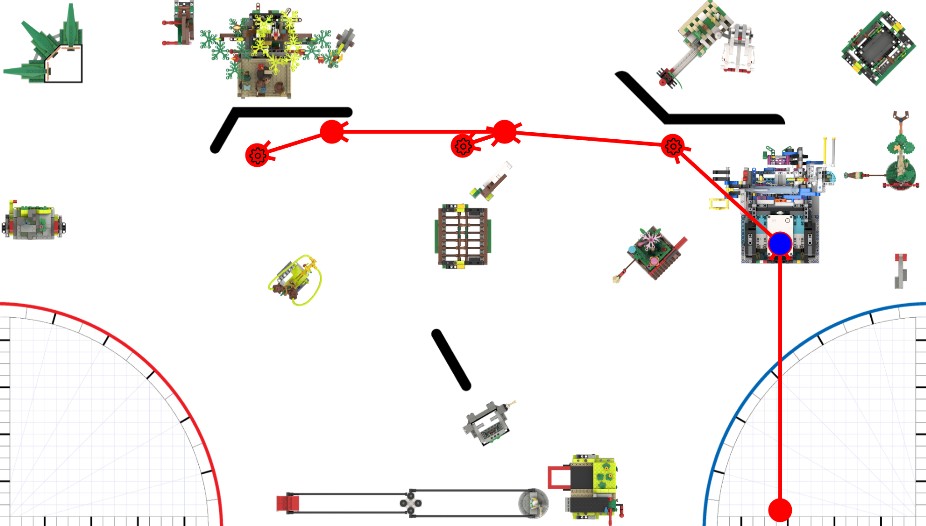
Visual FLL & WRO programming
Graphics as a precision tool
The idea behind Beluga is simple: the human eye can already get a solid approximation of distances and angles. So instead of translating what you see into abstract numbers, you mark it directly on the mat. Faster, more intuitive, and far more accurate under pressure.
Built in competition
Forged under real match pressure
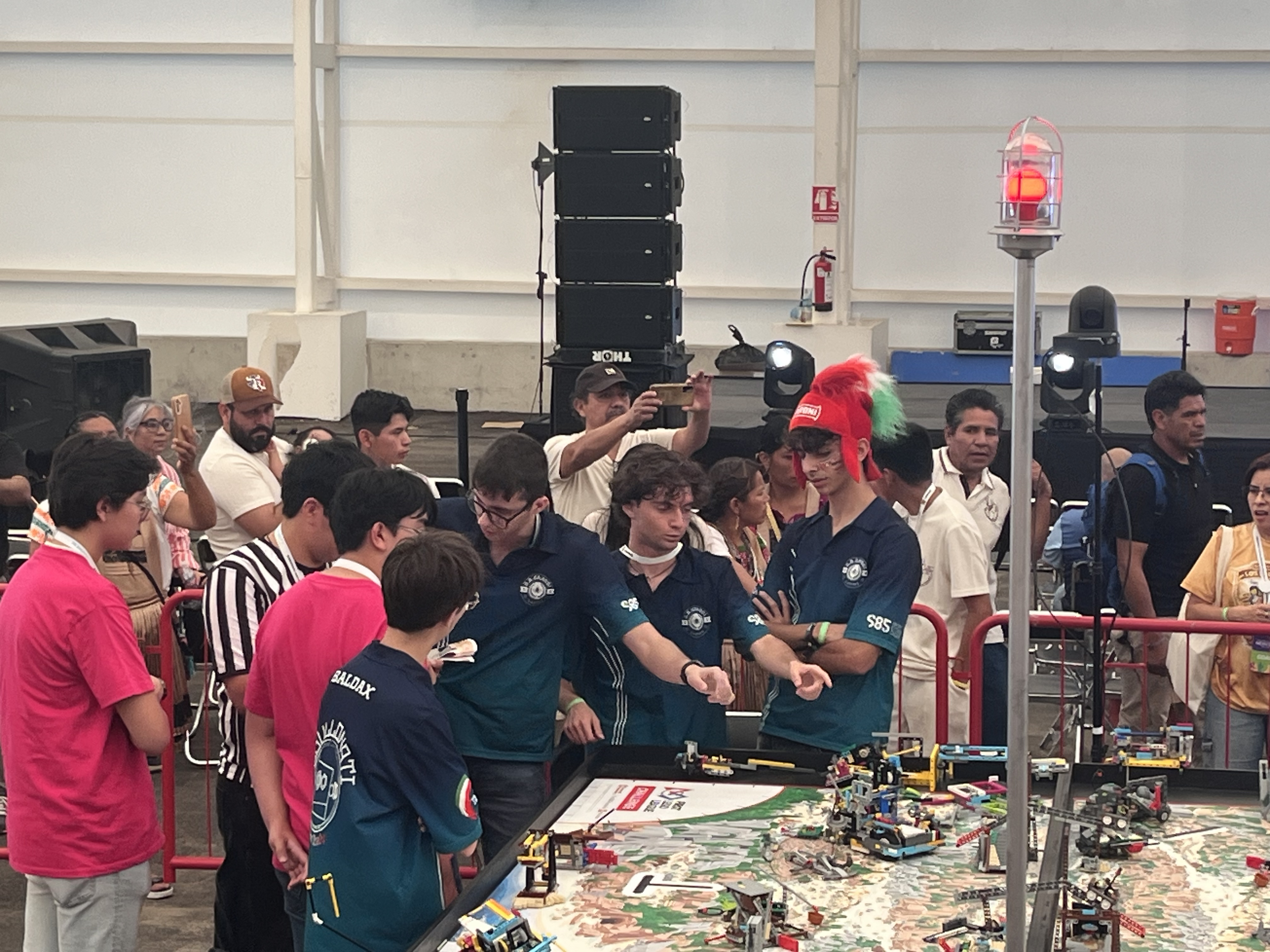
Beluga was built and tested specifically for competition with real robots, real tables, and real time limits. After every event we took part in, we refined Beluga to be as efficient and reliable as possible for the following occasion. In two years, we managed to drastically improve the editor, especially for real-life situations.
Learn coding with Custom Blocks
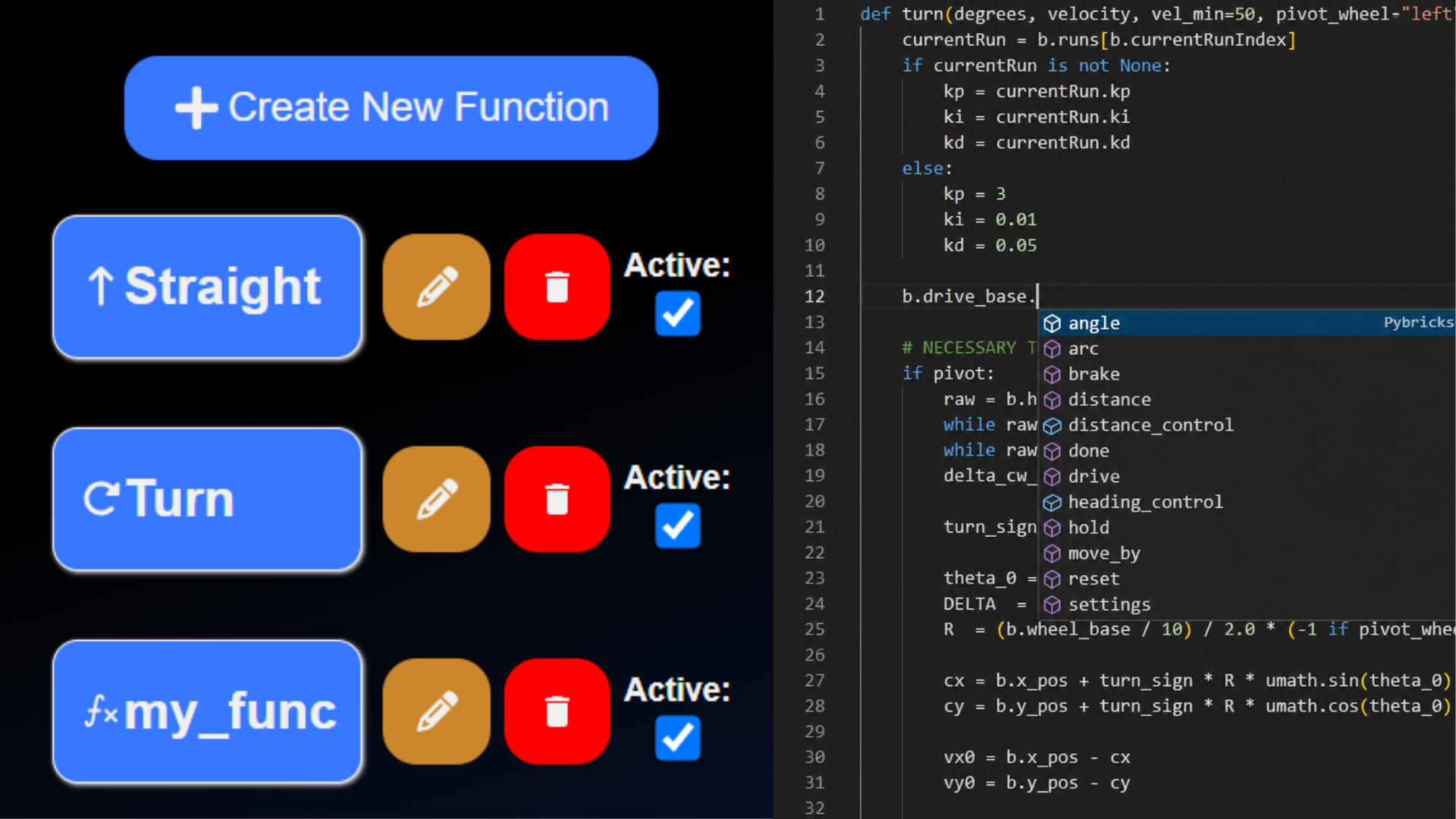
In Beluga, students can implement their own Straight and Turn functions, which are the basis of the robot's movement. By doing so, they will be learning the Python language, Optimal Control algorithms and mathematical velocity manipulation just like they would usually learn in Spike Prime or Pybricks. In addition, they can also create Custom Blocks: new features that enable them to innovate Spike programming even further! Those functions can also be presented in the Judging Session, where students can explain their ideas and Custom Coding Strategy!
Manage your Full Matches
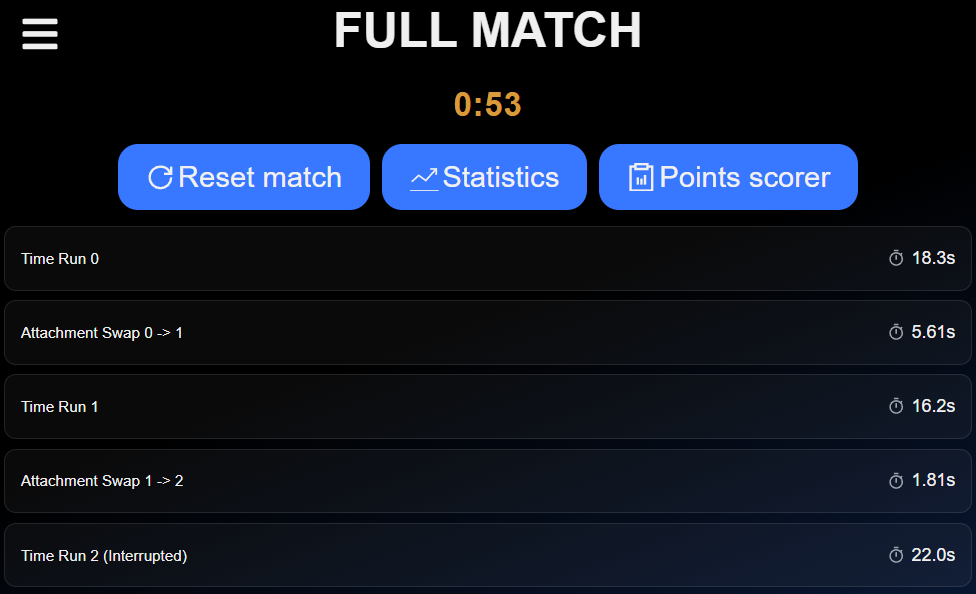
2 minutes and 30 seconds. That is the entire duration of an FLL Match. WRO Matches only last 2 minutesBeluga helps you achieve the maximum score with timestamps of your Run Times, Attachment Swap times, Mission Points. Then, collect your runs and watch your team's drivers improve in every aspect of your game. If you want to level up in Lego robotics competitions, you likely don't need more technical skills. You first need an organized system that helps you manage your matches.
Sbullonati
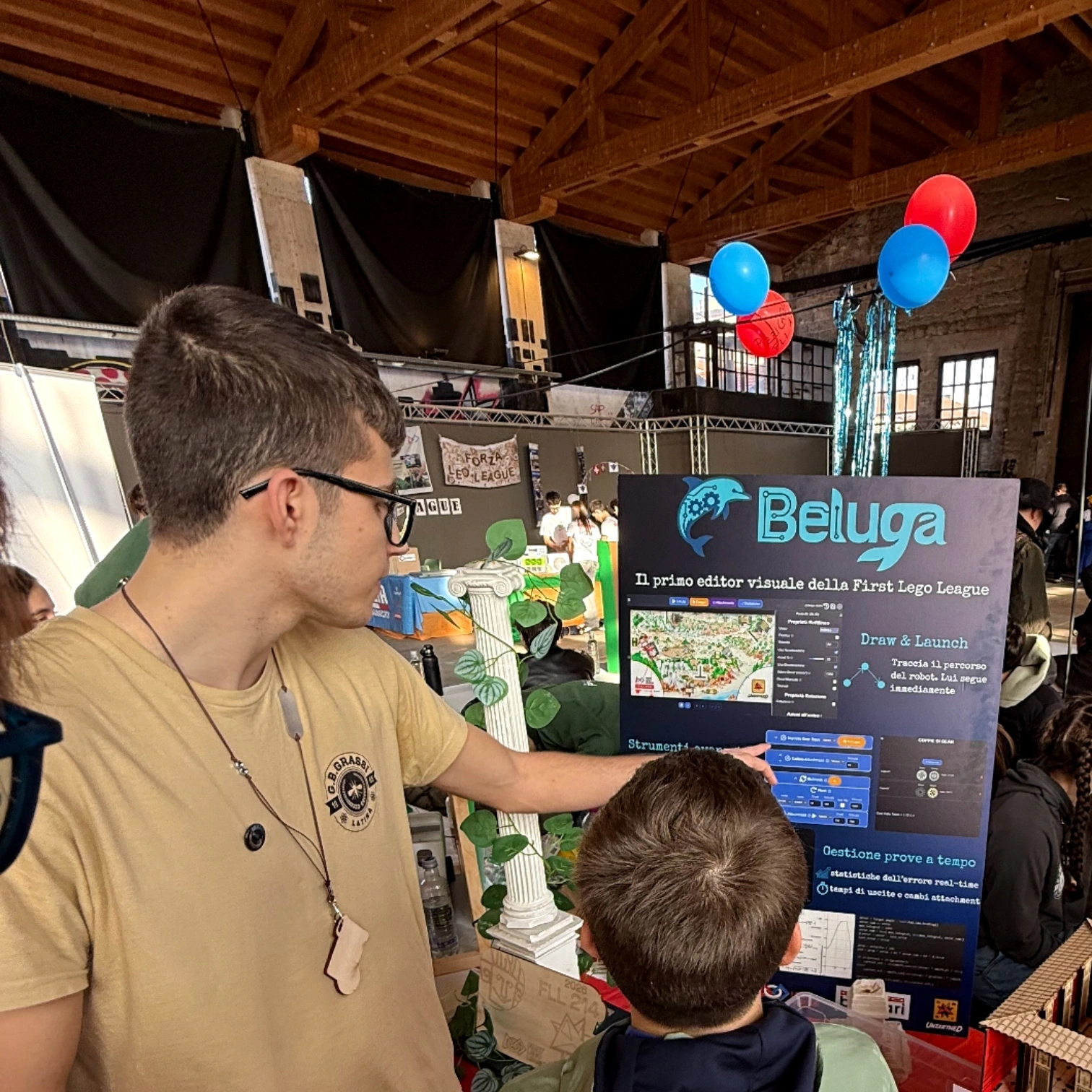
Emanuele Salvadori
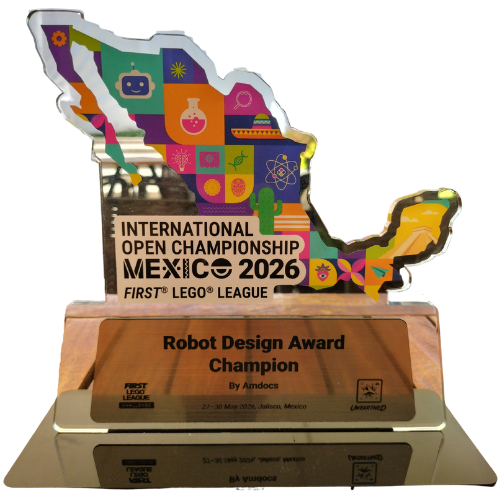
Robot Design Award Champion
FLL International Open, México
After two years of building and testing, we brought Beluga to the FLL International Open Championship in México. And it delivered. Combined with our robot and attachments, Beluga was the key to win the
Robot Design Award Champion on the world stage!